Reviewing the Oh Christmas Treats Pet Ornament Design
As an embroidery designer who has spent countless hours digitizing and testing files for real-world application, I approach every new machine embroidery design with a critical eye. It is not enough for a graphic to look cute on a screen; it must hold up under the needle, survive the wash cycle, and appeal to the end consumer. Recently, I evaluated the Oh Christmas Treats Pet Ornament to determine its viability for upcoming holiday collections. This review breaks down how this design performs in actual production environments, offering practical insights for Etsy sellers, craft business owners, and hobbyists alike.
First Impressions and Visual Personality
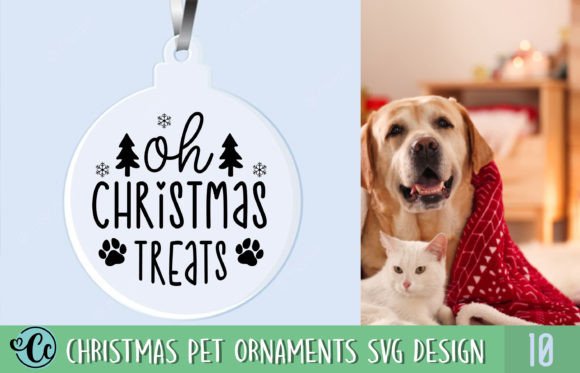
The initial appeal of the Oh Christmas Treats Pet Ornament lies in its whimsical yet structured layout. The design captures the cozy, indulgent mood of the holiday season, focusing on the joy pets bring to our celebrations. Visually, it balances playful elements with clean lines, avoiding the clutter that often plagues seasonal motifs. For a designer, this clarity is crucial. It suggests a thoughtful approach to stitch density and pathing, aiming for a finished product that looks professional rather than homemade in the negative sense.
The theme naturally leans toward warmth and nostalgia. When I first loaded the embroidery file into my software, I noticed the potential for versatile color palettes. While traditional reds and greens are obvious choices, the design’s structure allows for modern interpretations using pastels or monochromatic threads. This flexibility is essential for creating a cohesive brand identity across different design assets and product lines.
Real-World Application: The Holiday Gift Scenario
To truly test the value of this design, I simulated a common real-life scenario: preparing a custom order for a boutique client seeking unique personalized gift options. The client wanted a set of matching items for a pet owner—a tote bag for treats and a small pillow for the home. The Oh Christmas Treats Pet Ornament was selected as the central motif.
On the tote bag design, the ornament shape provided a contained, balanced focal point. Unlike sprawling scenes that can distort on flexible fabrics, this compact design maintained its integrity. The use of satin stitch borders gave the edges a crisp, defined look, while the interior fill stitch areas added texture without excessive bulk. For the pillow cover, the design translated well onto heavier cotton canvas, where the stabilizer support ensured no puckering occurred around the detailed sections.
This scenario highlights why understanding the context of Crafts matters. A design that works on a rigid patch may fail on a soft knit. In this case, the Oh Christmas Treats Pet Ornament proved adaptable, bridging the gap between functional apparel and decorative home goods.
Performance Across Different Products
Beyond the initial test, I considered how this digital embroidery file would perform across a broader range of products. For sweatshirt embroidery, the design’s moderate density is a significant advantage. Heavy fills can make garments stiff and uncomfortable, but this ornament design strikes a balance, allowing the fabric to remain soft while still providing visual impact. It is an excellent choice for custom apparel where comfort is paramount.
For baby embroidery projects, such as onesies or bibs, the design’s lack of overly tiny, fragile details is a plus. However, caution is still required. When scaling down for smaller items, one must ensure that the text or intricate treat details do not become indistinguishable blobs of thread. I recommend testing a scaled-down version on scrap fabric to verify clarity before committing to final production.
In the realm of embroidered patch creation, this design shines. The self-contained shape makes it ideal for cut-out appliqués or merrowed edges. Patches are a high-margin item for many small shop product lines, and a recognizable, festive motif like this can drive significant engagement during the holiday rush. Similarly, for holiday embroidery on kitchen towels or aprons, the design adds a touch of festivity without overwhelming the utility of the item.
Technical Considerations and Fabric Compatibility
While the design is robust, it is not without its technical demands. Embroiderers must pay close attention to fabric texture and type. On textured fabrics like terry cloth or fleece, the finer details of the treats within the ornament might get lost. In such cases, increasing the stitch count slightly or opting for a simpler color scheme can help maintain visibility. Conversely, on thin or stretchy fabrics, proper hooping and stabilizer selection are non-negotiable to prevent distortion.
Thread colors play a pivotal role in the success of this design. High contrast between the background fabric and the thread is essential for the ornament to pop. I advise running a black-and-white mockup test to check for value contrast. If the design disappears in grayscale, it will likely lack impact in color. For dark fabrics, consider using a lighter underlay or adjusting the thread palette to ensure the running stitch outlines do not blend into the material.
Curved surfaces, such as caps or hats, present another challenge. The Oh Christmas Treats Pet Ornament should be positioned carefully to avoid seam interference. Due to its relatively compact nature, it fits well on the front panel of a cap, but testers should verify that the curvature does not distort the circular or ornamental shape.
Enhancing Brand Value and Customer Trust
From a business perspective, the quality of your embroidery project directly influences customer trust. A clean, well-stitched design signals professionalism. The Oh Christmas Treats Pet Ornament, when executed correctly, enhances the perceived value of the finished product. It moves the item from a generic commodity to a thoughtful, curated piece.
For commercial embroidery ventures, consistency is key. Using reliable designs like this helps build a recognizable aesthetic. When customers see a high-quality ornament design on a tote, then later on a pillow, they begin to associate that level of craftsmanship with your brand. This recognition drives repeat business and positive reviews, which are vital for any Etsy seller or independent maker.
Practical Designer Notes for Best Results
- Test on Scrap Fabric: Always run a test stitch-out on the same fabric type and weight you intend to use for the final product. This reveals tension issues and color clashes early.
- Check Stitch Density: Review the digitizing settings. If the fill areas are too dense for lightweight fabrics, adjust the density to prevent puckering.
- Confirm Hoop Size: Ensure the design fits comfortably within your hoop with adequate margin for stability. Do not crowd the edges.
- Inspect Small Details: Zoom in on the digital preview. Are the tiny treat details distinguishable? If not, consider simplifying or enlarging the design.
- Verify Licensing: Before selling items made with this applique design or any other variant, confirm the license terms. Understand whether it allows for commercial use of finished goods.
- Use Proper Stabilizer: Match your stabilizer to the fabric. Cut-away for knits, tear-away for wovens, and wash-away for delicate or sheer materials.
In conclusion, the Oh Christmas Treats Pet Ornament is a versatile and charming addition to any holiday collection. It offers a blend of aesthetic appeal and technical practicality that suits a wide range of applications, from printable mockup previews to tangible handmade product lines. By respecting the technical nuances of embroidery and understanding the end-use context, designers and makers can leverage this asset to create standout items that resonate with customers. Whether you are decorating a single personalized gift or stocking a small boutique, this design provides a solid foundation for creative success.