Review: Christmas Floral Frame Clipart for Embroidery
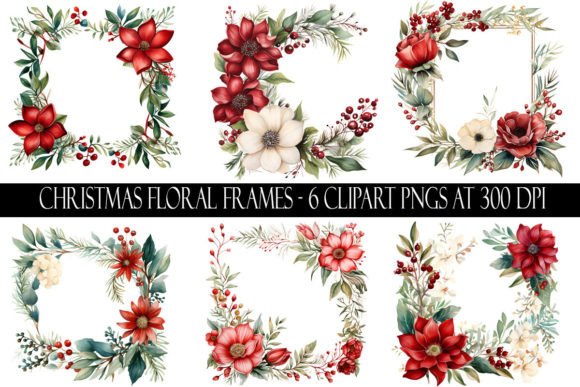
As a designer who has spent countless hours digitizing and stitching out holiday motifs, I approach every new Christmas Floral Frame Clipart with a mix of curiosity and caution. The holiday market is saturated, but a well-executed frame design remains a staple for high-end personalized gifts and boutique merchandise. When I first opened this file, my immediate concern was not just aesthetics, but functionality. How does this illustration translate from a flat digital image into the textured, dimensional reality of thread on fabric?
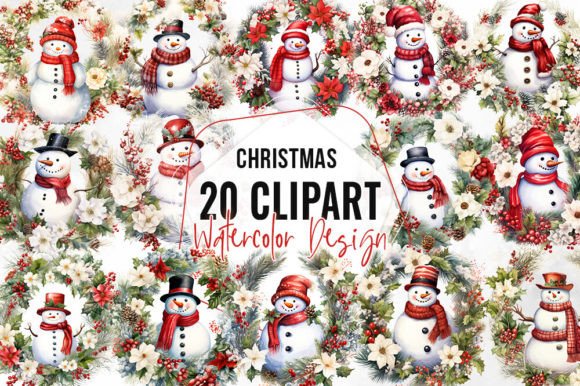
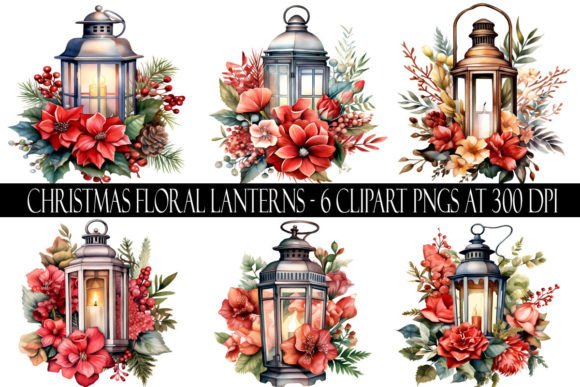
The first impression of this design is one of balanced elegance. Unlike many holiday graphics that rely heavily on dense, blocky elements, this floral frame utilizes negative space effectively. For an embroidery project, this is crucial. The layout suggests a circular or oval composition, which is inherently pleasing to the eye and versatile for placement. The mood it creates is traditional yet fresh, avoiding the cluttered look that often plagues seasonal designs. For small business owners and Etsy sellers, this visual clarity is a significant asset. It signals professionalism and attention to detail, two factors that directly influence buyer trust and perceived value.
Real-World Application: The Holiday Tote Bag Test
To truly evaluate a design, you must imagine it in a specific product context. I visualized this Christmas Floral Frame Clipart centered on a natural canvas tote bag. This is a popular item for holiday gift-giving and retail sales. In this scenario, the frame acts as a border for a monogram or a short phrase like "Noel" or "Joy." Because the design is a frame, it naturally draws the eye inward, making any central text the focal point.
If I were stitching this for a client’s custom apparel order, I would pay close attention to the stitch types implied by the artwork. The floral elements likely require a combination of satin stitch for petals and leaves, and perhaps fill stitch for larger berries or bows. The success of the finished product depends on how these stitches interact. If the original illustration has too much fine detail, it can become muddy when stitched out. However, if the lines are clean and distinct, as this clipart appears to be, it allows for crisp definition even on textured fabrics like canvas or heavy cotton twill.
Versatility Across Product Lines
One of the strongest aspects of a frame-style design is its adaptability. This Christmas Floral Frame Clipart is not limited to tote bags. Consider its application on sweatshirt embroidery. A chest-left placement on a crewneck sweater offers a subtle, sophisticated holiday look. Here, the scale of the design matters. You must ensure the hoop size accommodates the width of the frame without distorting the proportions. For baby embroidery, such as on a onesie or a blanket, the soft curves of the floral elements are gentle and appealing. However, you must reduce the stitch density to prevent puckering on delicate knit fabrics.
For those running a craft business, this design also works well for embroidered patches. A patch requires a bold outline, often using a running stitch or a thick satin border to define the edge. If the clipart includes clear outer boundaries, it translates beautifully into a merit-badge style patch that can be ironed onto jackets or hats. Additionally, for digital product sellers, this illustration serves as an excellent base for printable mockups. You can showcase how the design looks on various backgrounds before committing to physical production, saving time and materials.
Technical Considerations and Fabric Challenges
While the aesthetic appeal is strong, practical execution requires careful planning. One area where this design needs scrutiny is the corner details. Floral frames often have intricate intersections where stems and leaves overlap. In embroidery, these areas can become dense with thread buildup. If you are stitching on thin fabric or stretchy material, this density can cause pulling or distortion. I always recommend testing the design on scrap fabric first, specifically using the same stabilizer and thread weights you plan to use for the final product.
Fabric texture plays a major role in how the Christmas Floral Frame Clipart performs. On smooth fabrics like broadcloth or polyester blends, the satin stitches will shine and appear vibrant. On textured fabrics like linen or wool, finer details may get lost. If you are working with dark fabric, consider how your thread colors contrast. A common mistake is choosing threads that are too similar in value, causing the design to blend in rather than pop. Testing in black and white mockups can help you verify contrast levels before you thread up the machine.
Curved surfaces present another challenge. If you plan to use this design on caps or hats, the curvature of the crown can distort a wide frame. You may need to adjust the width or break the design into smaller sections if the hoop size limits your ability to stitch it in one go. Always confirm hoop size compatibility with your specific machine model. Not all digital embroidery files are optimized for every hoop dimension, so checking the dimensions provided in the file package is essential.
Enhancing Brand Consistency and Value
For handmade shop owners, consistency is key to building a recognizable brand. Using a cohesive set of design assets, such as this Christmas Floral Frame Clipart, helps create a unified look across your product line. Whether it is on aprons, pillow covers, or kitchen towels, the consistent use of this floral motif reinforces your brand identity. Customers begin to associate this specific style with your shop, increasing recognition and loyalty.
Moreover, the quality of the embroidery directly impacts the perceived value of the finished product. A clean, well-stitched frame suggests a premium item. Sloppy stitching, caused by poor digitization or incorrect tension, detracts from this value. Therefore, reviewing the stitch density and pathing of the embroidery file is critical. If the design jumps excessively between sections, it increases production time and the risk of thread breaks. Efficient stitch paths lead to faster production and higher profit margins for commercial embroidery projects.
Practical Designer Notes for Best Results
Before launching this design into your product lineup, follow these practical steps to ensure quality:
- Test on Scrap Fabric: Always stitch a sample on the actual fabric you intend to use. This reveals issues with tension, density, and stabilizer choice.
- Check Thread Color Contrast: Ensure your chosen thread colors stand out against the fabric background. High contrast improves visibility and appeal.
- Review Stitch Density: If the design feels stiff or causes puckering, reduce the density in your editing software or choose a lighter stabilizer.
- Confirm Hoop Size: Verify that the design fits within your available hoop sizes without resizing it to the point of distortion.
- Inspect Small Details: Zoom in on the digital file to ensure tiny elements are large enough to stitch cleanly. Remove or simplify elements that are too small.
- Verify Licensing: Before selling finished items or digital products, confirm the license terms. Ensure you have commercial rights if you plan to sell the embroidered goods.
In conclusion, this Christmas Floral Frame Clipart offers a solid foundation for a variety of holiday embroidery projects. Its strength lies in its versatility and classic aesthetic. By paying attention to technical details like stitch density, fabric choice, and hoop size, you can transform this digital illustration into a high-quality handmade product. Whether for personal gifts or commercial sales, thoughtful execution ensures that the final result meets the high standards expected by today’s discerning customers.