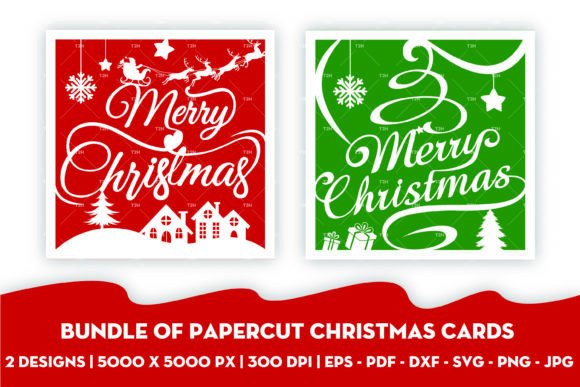
Review: Bundle of Papercut Christmas Cards for Embroidery
As a designer who spends half my life staring at digitized files and the other half pulling thread through fabric, I have learned to be skeptical of anything labeled "papercut" when it comes to machine embroidery. Paper is crisp, sharp, and unforgiving. Thread is soft, textured, and dimensional. Bridging that gap requires a keen eye for detail and a realistic understanding of how stitches behave on fabric. When I first loaded the Bundle of Papercut Christmas Cards into my editing software, my primary concern was whether these intricate, layered silhouettes would translate into clean, professional stitching or turn into a tangled mess of underlay and jump stitches.
The first impression is surprisingly positive. The mood created by this collection is nostalgic yet modern, capturing that specific warmth of handmade holiday decor. Visually, the designs rely heavily on negative space and distinct shapes rather than dense shading. For an embroidery project, this is often a blessing. Dense fill stitches can make fabric pucker and feel like cardboard, but these open, graphic elements suggest a lighter touch. However, looking at them as Print Templates is only half the battle. We need to talk about how they perform when the needle actually hits the cloth.
From Screen to Stitch: Real-World Application
I recently worked on a custom order for a boutique client who wanted a set of limited-edition holiday tote bags. She was aiming for a minimalist aesthetic—something that felt artisanal rather than mass-produced. The Bundle of Papercut Christmas Cards seemed like the perfect fit for this tote bag design concept. The challenge with papercut-style graphics is maintaining the integrity of the tiny bridges and delicate corners that define the style.
In this real-life scenario, I selected one of the simpler card designs from the bundle to test on a heavy canvas tote. The result was striking. Because the design mimics the look of layered paper, it benefits immensely from using contrasting thread colors. I used a deep forest green for the main silhouette against the natural beige canvas. The running stitch outlines held up well, providing a clean edge that didn't bleed into the fabric. It didn't look like a standard embroidered logo; it looked like a piece of art applied to the bag. This is the kind of visual appeal that drives customer trust. When a buyer sees clean lines and intentional design, they perceive higher value in the handmade product.
For Etsy sellers and small shop product creators, this versatility is key. These designs are not just for bags. Imagine them as sweatshirt embroidery on a crewneck, where the softness of the fleece complements the graphic nature of the design. Or consider them for holiday embroidery on kitchen towels, where a quick, light-stitch design washes well without distorting. The key is recognizing that these are graphic assets first and embroidery patterns second. They work best when you lean into their flat, illustrative quality rather than trying to force 3D depth where none exists.
Navigating Technical Challenges and Fabric Choices
While the aesthetic is strong, we must address the technical realities. Papercut designs are notorious for having tiny, fragile details. If you are planning to use these on stretchy fabric, such as a jersey t-shirt or a baby onesie, you need to proceed with caution. Without proper stabilization, those fine lines will warp. For baby embroidery, I always recommend a cut-away stabilizer rather than tear-away, even if the design isn't overly dense. The goal is to keep the fabric stable during the stitch-out and maintain that stability through multiple wash cycles.
Another critical consideration is hoop size. Some of the more intricate cards in the bundle may require a larger hoop to ensure the design scales correctly without losing resolution. If you shrink a complex papercut design too much to fit a small cap or a pocket, the tiny gaps between layers may close up, turning distinct shapes into a solid blob of thread. Always check the minimum recommended size for each file in the bundle. If that information is not explicitly provided, do a test run on scrap fabric at your intended size before committing to the final garment.
Dark fabrics present another hurdle. Papercut styles often rely on light and shadow. On black or navy fabric, you cannot rely on the fabric color to provide contrast for the negative spaces. You will need to use a satin stitch border or a fill stitch background to make the design pop, which changes the hand-feel of the finished item. For an embroidered patch, this is less of an issue since you can choose a light backing fabric, but for direct-to-garment applications, plan your thread colors carefully. High contrast is your friend here.
Enhancing Brand Consistency and Product Value
For creative entrepreneurs, consistency is everything. The Bundle of Papercut Christmas Cards offers a cohesive visual language. If you are building a holiday collection, using these designs across different products—pillow covers, aprons, and wall hangings—creates a recognizable brand identity. Customers appreciate when a shop feels curated. These designs act as strong design assets that can anchor your seasonal marketing.
Moreover, the "papercut" vibe taps into the current trend of cozy, hygge-inspired home decor. When you present these as part of a personalized gift line, they feel thoughtful and unique. A simple monogram added to one of these card designs can transform a generic holiday motif into a bespoke keepsake. This level of customization increases buyer engagement and justifies a higher price point. It moves the item from a commodity to a cherished object.
Practical Notes for the Embroidery Designer
Before you launch into production, here are my practical recommendations for working with this bundle:
- Test on Scrap First: Never skip this step. Digitizing for paper looks different than stitching on cotton or poly-blends. Check for thread breaks in tight corners.
- Check Stitch Density: If the files are pre-digitized, review the density settings. If they are too dense for lightweight fabrics, you may need to adjust the pull compensation or reduce the fill percentage.
- Contrast is Key: Use black and white mockups to see if the design holds its shape. If it disappears in grayscale, it will likely lack impact on low-contrast fabrics.
- Stabilizer Selection: Match your stabilizer to your fabric weight. Heavier stabilizers for knits, lighter for wovens. Do not underestimate the power of a good topping for fuzzy fabrics like towels or fleece.
- Licensing Verification: Always confirm the license terms. Can you sell finished physical items? Can you use the digital embroidery file in commercial commercial embroidery projects? Ensure you are compliant before listing items on your store.
In conclusion, the Bundle of Papercut Christmas Cards is a versatile tool for the modern maker. It bridges the gap between graphic design and textile art. While it requires careful handling regarding scale and stabilization, the payoff is a sophisticated, clean look that stands out in a market saturated with overly complex, dense designs. For the craft business owner looking to elevate their holiday offerings, this bundle provides the raw material for high-quality, memorable products. Just remember: respect the thread, trust your stabilizer, and let the simplicity of the design shine.